The short answer
Choose by how you hide and reveal information. LegendKeeper suits game masters who want secrets inside shared pages and pinned maps, though creating your own projects needs a subscription after a 14-day trial. Kanka offers a free campaign wiki with per-member visibility. World Anvil suits a published world with player groups; as archived in August 2026, secrets were on paid tiers. Obsidian fits private prep in local files, and Notion or a shared document fits a group already working there. Check what a player sees and export a sample before committing. This shortlist is based on official documentation, not hands-on testing.
A novelist’s notes stay private until the book is out. A game master’s notes are read by players every week, often in the middle of a session, and some of them must stay hidden until the right moment. That changes what a worldbuilding tool has to do. Before you compare features, decide three things: what players may browse on their own, what only one player should learn, and who else edits the world with you.
This shortlist is organized by need, not scored, and is based on official documentation checked between 6 and 11 October 2026, not hands-on testing. World Anvil’s site later blocked our automated access, so its plan details rely on Wayback Machine snapshots of its official pages and say so. Prices are left out.
For secrets inside shared pages: LegendKeeper#
LegendKeeper calls itself a worldbuilding toolbox and RPG campaign manager. Its features page lists worlds that are private by default, granular permissions and secrets, public share links, and real-time collaboration in which you see a collaborator’s cursor. The home page describes GM-only secrets placed in the middle of a wiki page, so one article can serve your players and you at once.
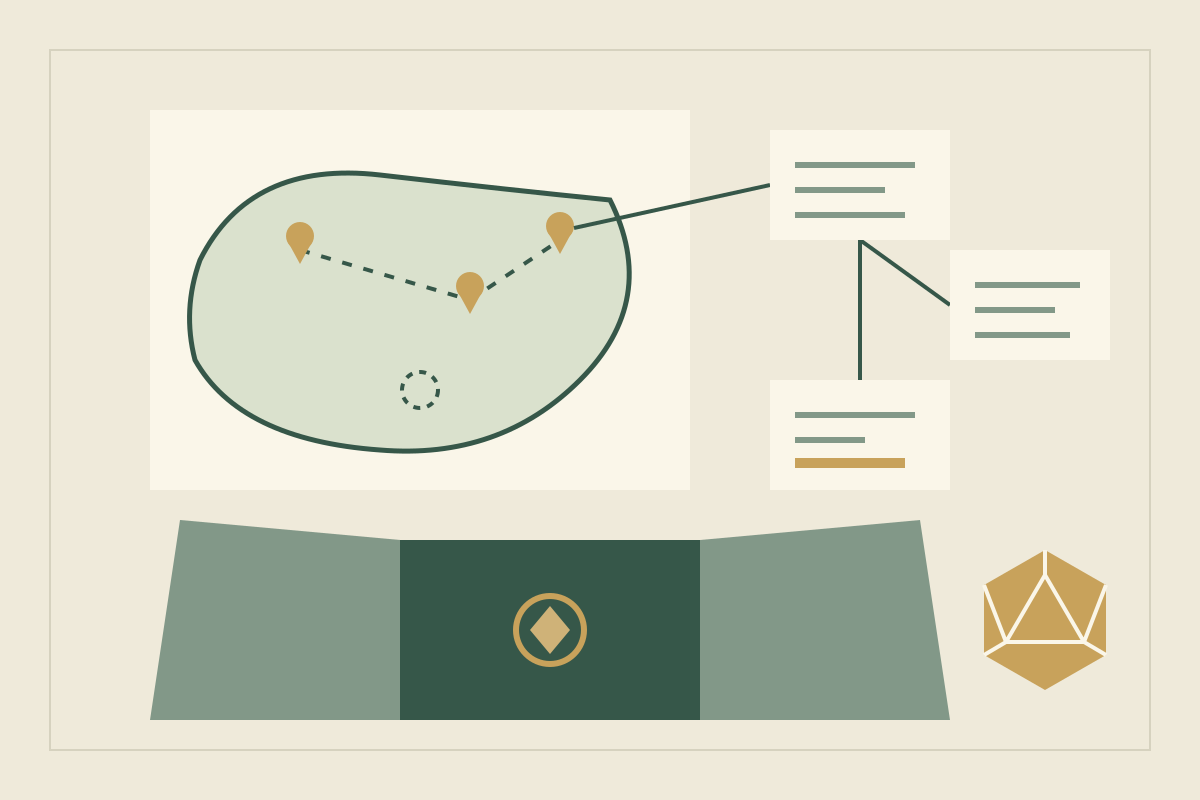
Maps are images you upload, up to 14K pixels and 100 MB, with pins connected to wiki pages. Maps nest, so you can move from world to region to town to dungeon, and individual pins can be hidden from players. Timelines and whiteboards sit alongside; the features page suggests boards for DM screens and pointcrawls.
According to the pricing page, creating your own projects requires a subscription after a 14-day free trial, while guests and players join free. If a subscription lapses, you can still view and export your projects. Offline mode keeps changes in your browser until they sync, and the features page warns that it does not work in private browsing and that unsynced changes are lost if you clear browsing data.
For a free campaign wiki with permissions: Kanka#
Kanka is a campaign manager whose free tier, it says, is not a trial: unlimited campaigns and entries with all core features. Entries span more than twenty categories, from characters and locations to families, timelines, calendars and maps, and an @mention in a session log links the entry automatically. Its documentation describes journals for session prep, recaps and props.
Secrets work at several levels, according to its guide to keeping secrets. A private entry is visible only to the campaign’s admin role. Articles on an entry can carry their own visibility, and connections such as relations and timeline elements can be hidden too. You can view the campaign as a member to check what a player sees, and a public campaign gives outsiders a read-only role.
Kanka’s map documentation says its Map Explorer is designed for world maps rather than tactical battle maps with live player movement. You upload the image, and paid tiers raise the file and map size limits.
For a published world with player groups: World Anvil#
World Anvil’s worldbuilder workflow treats articles as the core of a world and links map markers to them; you supply the map image, because it is not a map-drawing application. As archived on 1 August 2026, its pricing page offered a free tier and listed world data exporting on every tier. Secrets, private worlds and articles, co-authors and subscribers appeared only on paid tiers. Subscribers let you choose specific people, or groups, who can see otherwise private content, including secret map layers or pins, and paid tiers also listed marker groups: one set of pins your players can see, another only you can.
Its campaign manager page, as archived on 1 July 2026, described session prep, an online game master’s screen for notes, dice and stat blocks, session reports, and an integration with Foundry VTT.
For private prep in plain files: Obsidian#
Obsidian keeps notes as Markdown files in a local folder, according to its storage documentation. Its core Canvas plugin lays out notes, images and links on a 2D surface and saves them in the open JSON Canvas format, so a map image ringed by linked location notes is one way to prepare a region.
Sharing takes paid add-ons. Obsidian Publish hosts the notes you select as a website and needs its own subscription. You can exclude folders from publishing, which suits a folder of secrets. Its security page says only the notes you publish are sent to its servers, and that a site password, if you add one, covers the whole site; single notes cannot have their own password. A co-GM can join a shared vault through Obsidian Sync, but every collaborator needs a Sync subscription, everyone gets the owner’s permissions, and live editing of the same file is not yet supported.
For a group that already shares documents: Notion or a shared document#
If your group already plans in shared documents, the cheapest move may be no move at all. In Notion, page permissions run from full access through can edit and can comment to can view, guests need their own Notion account, and a public link can be set to expire. A secret is simply a page you do not share.
Two details matter for a game master. Publishing a page as a Notion Site publishes its subpages by default, so a secret nested under a player page goes public unless you restrict it. The same page says that published or link-shared pages include contributors’ names, profile photos and email addresses in their metadata. Pages can be made available offline in the desktop and mobile apps, one device at a time.
Run one sample campaign through each candidate#
Use the same small campaign everywhere. The Ashfall Marches is a frontier valley where a tax collector has vanished. Players know the valley, the village of Tern and the abbey on the ridge. Only you know that the baron hired the bandits and that a smugglers’ tunnel runs under the abbey. The cleric’s player alone has heard the abbey’s password.
- Hide. Write the baron’s page with the hiring as a secret, and put the tunnel on the map where players cannot see it.
- Reveal to one. Show the password to the cleric’s player and nobody else.
- Record. Write a recap of the first session that links to the baron, Tern and the abbey.
- Check. Open the world as a player would. In Kanka, view the campaign as a member; elsewhere, use a logged-out window or a test player account.
- Leave. Export the campaign and open the export. Note whether secrets stay marked as secrets or are flattened into ordinary text, since an export you hand to a co-GM may carry them along.
Step 2 separates the tools. LegendKeeper’s permissions, Kanka’s per-member visibility and World Anvil’s subscribers (a paid feature, as archived) are built for it, and in Notion you can share one page with one guest. Obsidian Publish passwords open the whole site, not single notes, so hand that secret over some other way.
Compare by what your table needs#
| Your table’s need | Start by evaluating | Check before committing |
|---|---|---|
| Secrets inside pages players read | LegendKeeper | Subscription after the 14-day trial |
| A free wiki with per-member visibility | Kanka | Upload limits and export format |
| A published world with secret player groups | World Anvil | Current tier for secrets and subscribers |
| Private prep in local files | Obsidian | A Publish password covers the whole site |
| A group already working in shared documents | Notion or a shared document | Nested pages and contributor details when publishing |
| A world map players explore by pins | LegendKeeper, Kanka or World Anvil | You supply the map image in all three |
| A novel’s world that players can browse | Yazar.io | Free wiki; notes stay private; Timeline is off unless you publish it |
The last row needs a word. If you also write fiction in your campaign world, Yazar.io serves the novelist better than the table: it keeps a book’s world beside a manuscript in Word or Google Docs. Its read-only wiki is free on both plans, lets you switch each section on or off, never includes notes, and can include the Timeline only if you turn it on (updates). You can add a password (who can see the wiki). One account keeps the records. Players can browse the world while your notes stay private. It does not include a map editor, so a table that explores by pins is better served by the map tools above.
Common mistakes when choosing a GM tool#
- Testing secrets from your own account. Your view shows everything. Use Kanka’s member view, a logged-out window or a test player before the first session.
- Hiding a secret one level down. In Notion, a published page takes its subpages with it by default. Keep secrets outside the tree you publish.
- Forgetting what collaborators pay. LegendKeeper players join free, every Obsidian Sync collaborator needs a subscription, and Notion guests need an account.
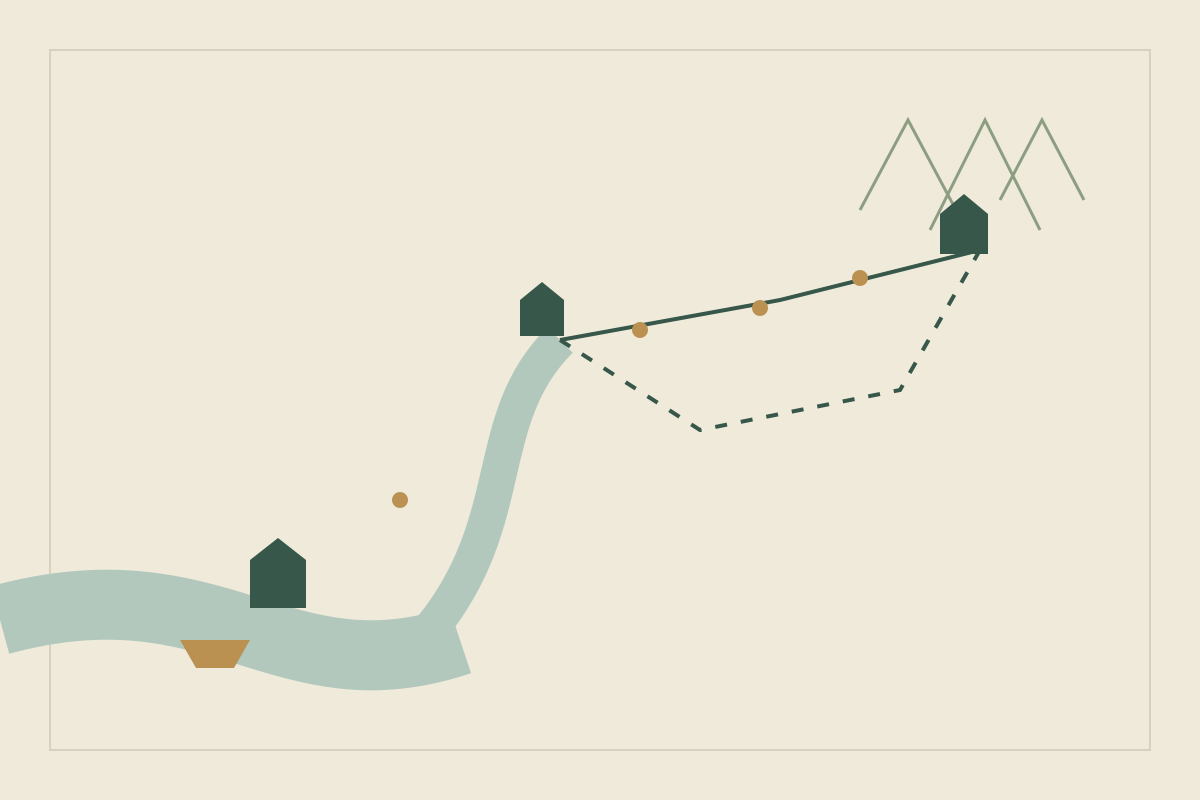
- Expecting a battle map. Kanka says its maps are for world maps, and the three wiki tools display a map image you supply. Draw it elsewhere first, starting from a difficult journey.
- Building the whole wiki before the campaign. Prepare the next session, and let lore arrive through play rather than in a reading assignment.
What to check before committing#
- Export. LegendKeeper commits to keeping an export feature regardless of subscription status. Kanka’s export runs once a day, as importable JSON or readable Markdown that cannot be imported back, and the ZIP file stays downloadable for 120 minutes. Notion exports PDF, HTML, and Markdown with CSV (export guide). Obsidian notes are already files. For World Anvil, check the current export format.
- Offline use. Obsidian works from local files. Notion needs pages marked for offline use on each device. LegendKeeper’s offline mode depends on browser storage. For Kanka and World Anvil, check current documentation before relying on a session without Wi-Fi.
- Ownership of files. LegendKeeper says your data belongs to you, and Kanka says your worlds are yours and campaigns are private by default. A promise is not a backup: export on a schedule, and open what you exported.
For notes beyond the table, see the broader worldbuilding tool shortlist or the side-by-side Obsidian and World Anvil comparison.
Update, 21 October 2026: Reframed Yazar.io for novelists who also run a table, and corrected the wiki (you can add a password; notes stay out; the Timeline can be published and is off by default). Map tools stay the fit when players explore by pins.
Sources
- LegendKeeper: Home page · October 11, 2026
- LegendKeeper: Features · October 11, 2026
- LegendKeeper: Pricing and FAQ · October 11, 2026
- Kanka: Worldbuilding and RPG campaign manager · October 11, 2026
- Kanka documentation: Keeping secrets · October 11, 2026
- Kanka documentation: Testing permissions · October 11, 2026
- Kanka documentation: Journals · October 11, 2026
- Kanka documentation: Maps · October 11, 2026
- Kanka documentation: Public campaigns · October 11, 2026
- Kanka documentation: Export · October 11, 2026
- World Anvil: Worldbuilder workflow · October 6, 2026
- World Anvil: Pricing (Wayback Machine snapshot of 1 August 2026) · October 11, 2026
- World Anvil: RPG campaign manager (Wayback Machine snapshot of 1 July 2026) · October 11, 2026
- Obsidian: How Obsidian stores data · October 11, 2026
- Obsidian: Canvas · October 11, 2026
- Obsidian: Introduction to Obsidian Publish · October 11, 2026
- Obsidian: Publish your content · October 11, 2026
- Obsidian: Security and privacy for Obsidian Publish · October 11, 2026
- Obsidian: Collaborate on a shared vault · October 11, 2026
- Notion Help: Sharing and permissions settings · October 11, 2026
- Notion Help: Publish a website with Notion Sites · October 11, 2026
- Notion Help: Export your content · October 11, 2026
- Notion Help: Working offline in Notion · October 11, 2026
- Yazar.io: Features · October 21, 2026
- Yazar.io: Shareable wiki · October 21, 2026
- Yazar.io: Shareable wiki software · October 11, 2026
- Yazar.io: Who can see my Shareable Wiki? · October 21, 2026