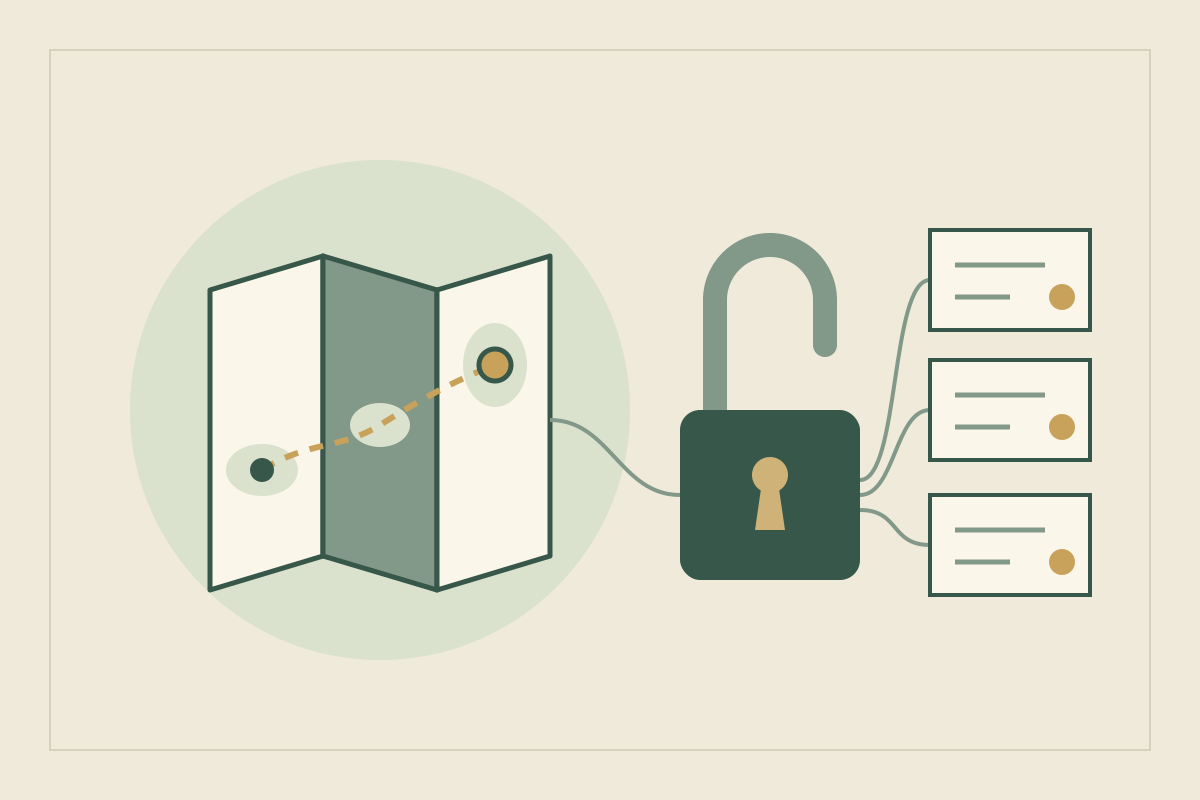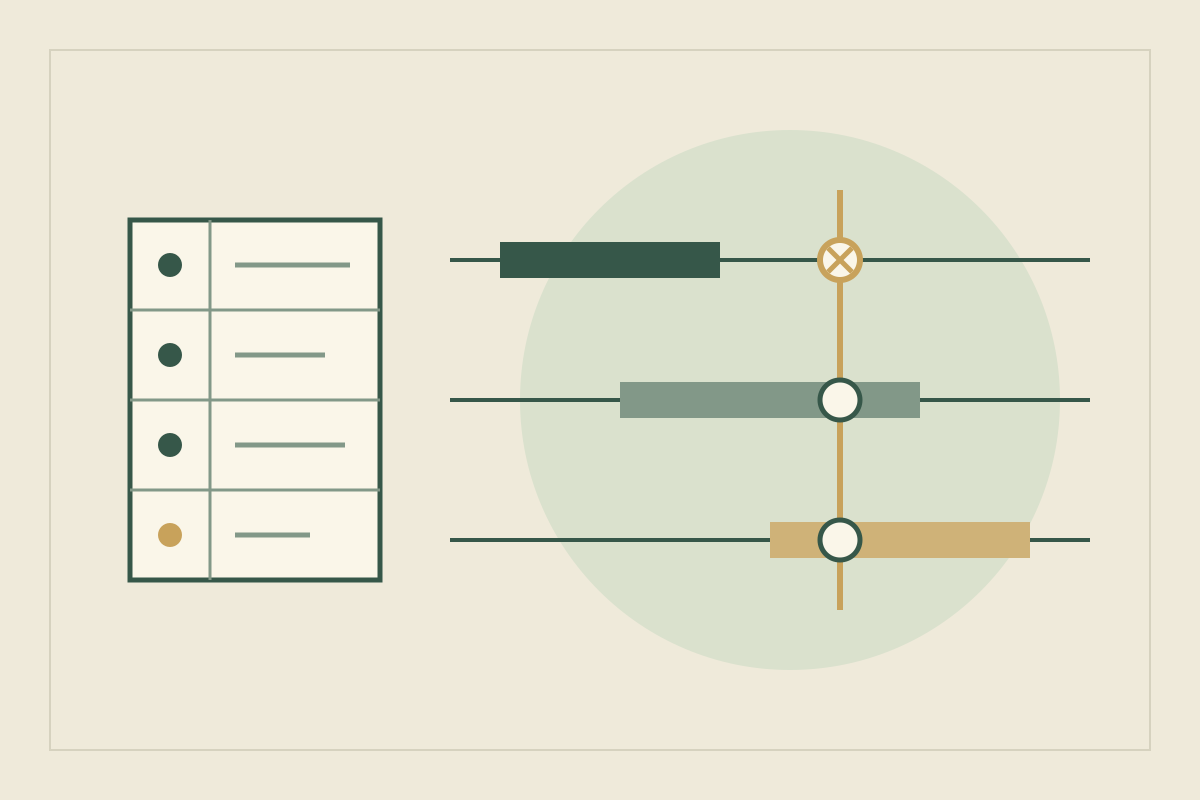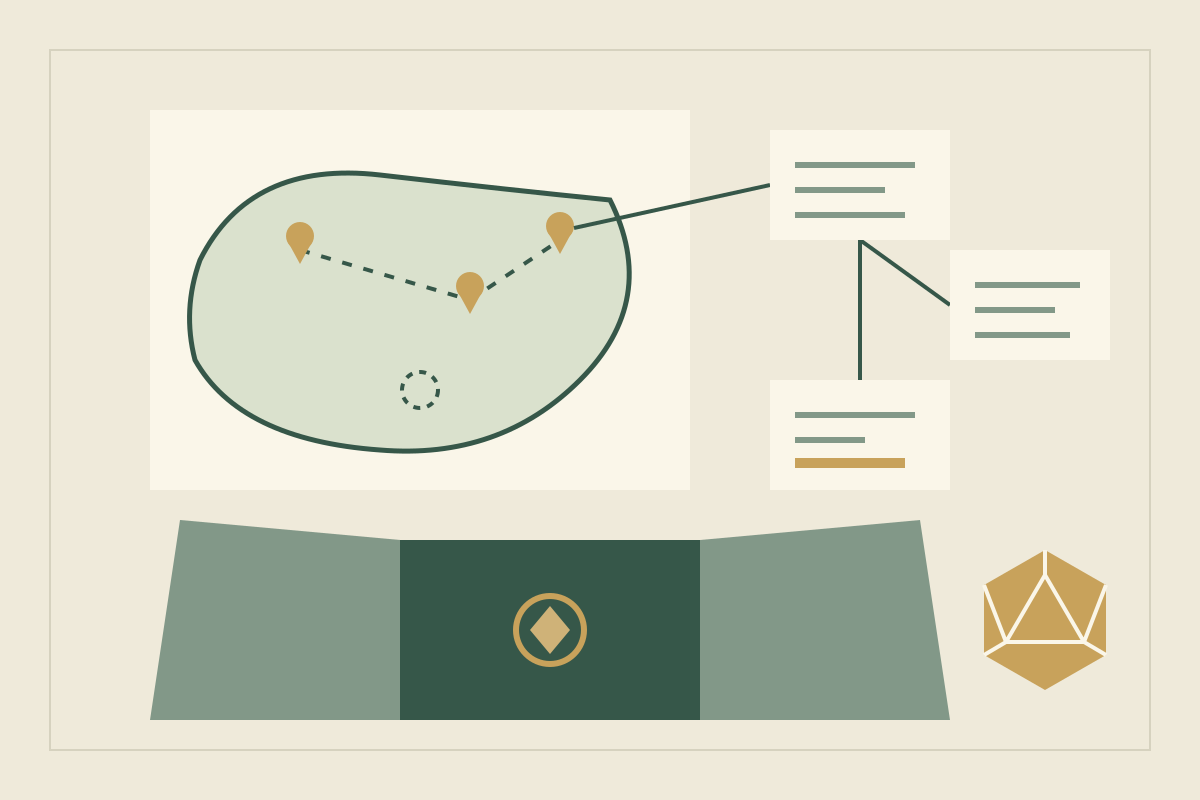
Choose a game master’s worldbuilding tool by what your players may see
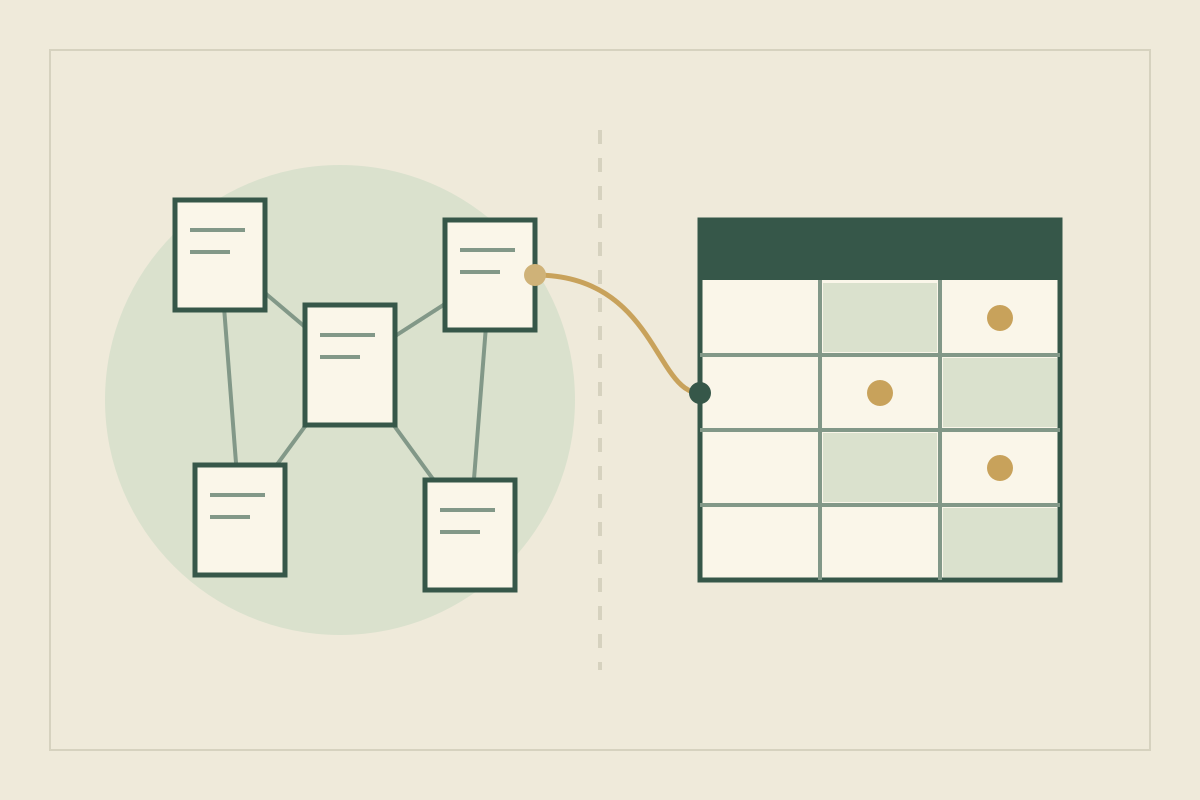
A workflow-based shortlist of LegendKeeper, Kanka, World Anvil, Obsidian and Notion for tabletop game masters, compared on secrets, maps, session notes, collaboration and export.
Practical ideas for a more believable world.
36 articles · showing 12
A workflow-based shortlist of LegendKeeper, Kanka, World Anvil, Obsidian and Notion for tabletop game masters, compared on secrets, maps, session notes, collaboration and export.
Give characters beliefs, habits, skills and blind spots that come from their upbringing, work and status, so they stop reading like modern people in costume.
Decide what is scarce, who controls it, how people pay, and who owes whom, so trade, taxes and debt give your characters choices.
Decide how much language your story needs and how much to translate, then keep phrases, register and dialect consistent without writing a full grammar.
Decide what belongs in a story bible, give every entry the same shape, track what readers already know, and compare a document, Obsidian and Yazar.io.
Use Scrivener’s binder folders, character and setting sketches, your own document templates, keywords, collections and document links to hold a fictional world, and know where the project stops helping.
Compare local linked Markdown notes with cloud databases task by task, from linking and structure to offline work, sharing, exporting and setup, using one small sample world.
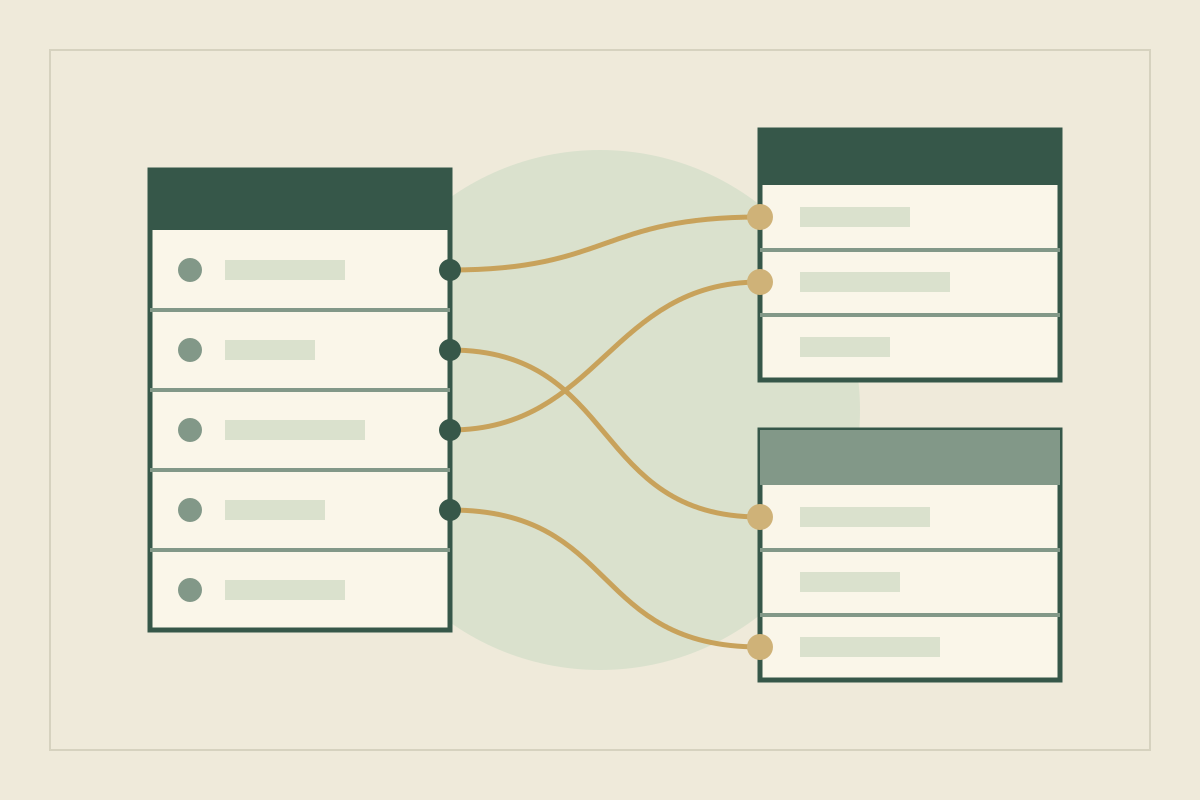
Set up databases for characters, places and factions, connect them with relations, and avoid the habits that turn a Notion world wiki into a pile of pages.
Decide what the reader needs now, who has a reason to say it, and what can wait, so history and rules arrive inside scenes instead of ahead of them.
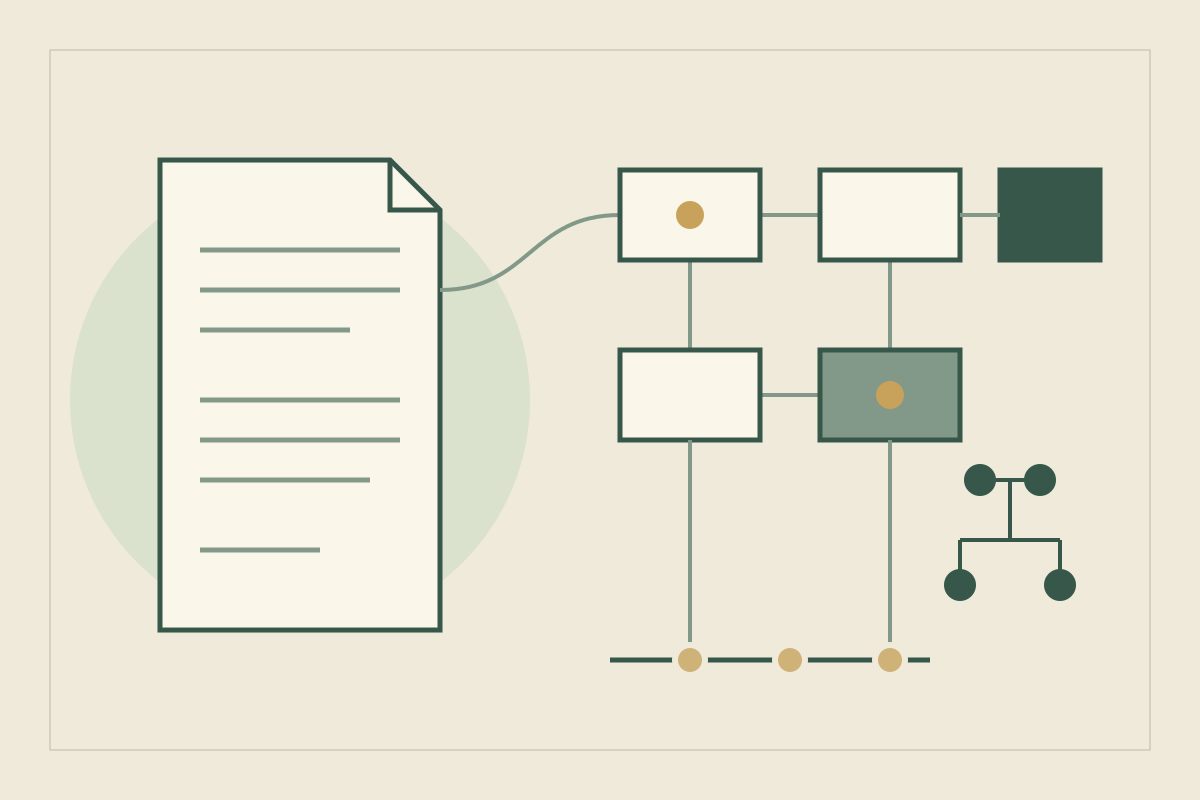
A setup order for Yazar.io that stays useful mid-draft: one book, the right sections, field templates first, links, a family tree, a linked timeline, notes, a wiki boundary and an export.
A workflow-based shortlist of free options, from Obsidian, Yazar.io, World Anvil and Notion to Azgaar’s map generator and a plain document, with each free version’s real limits.
A workflow-based shortlist of a spreadsheet, Aeon Timeline, Yazar.io, Campfire, Obsidian and Plottr for keeping a story’s chronology consistent, with limits and what to check.